What Is an Accessory Dwelling Unit (ADU) in California?

If you are scrolling all day long for some home improvement ideas in the Sacramento area and keep seeing "ADU" popping up again and again, you're probably wondering exactly what it means, and why so many families are talking about it.
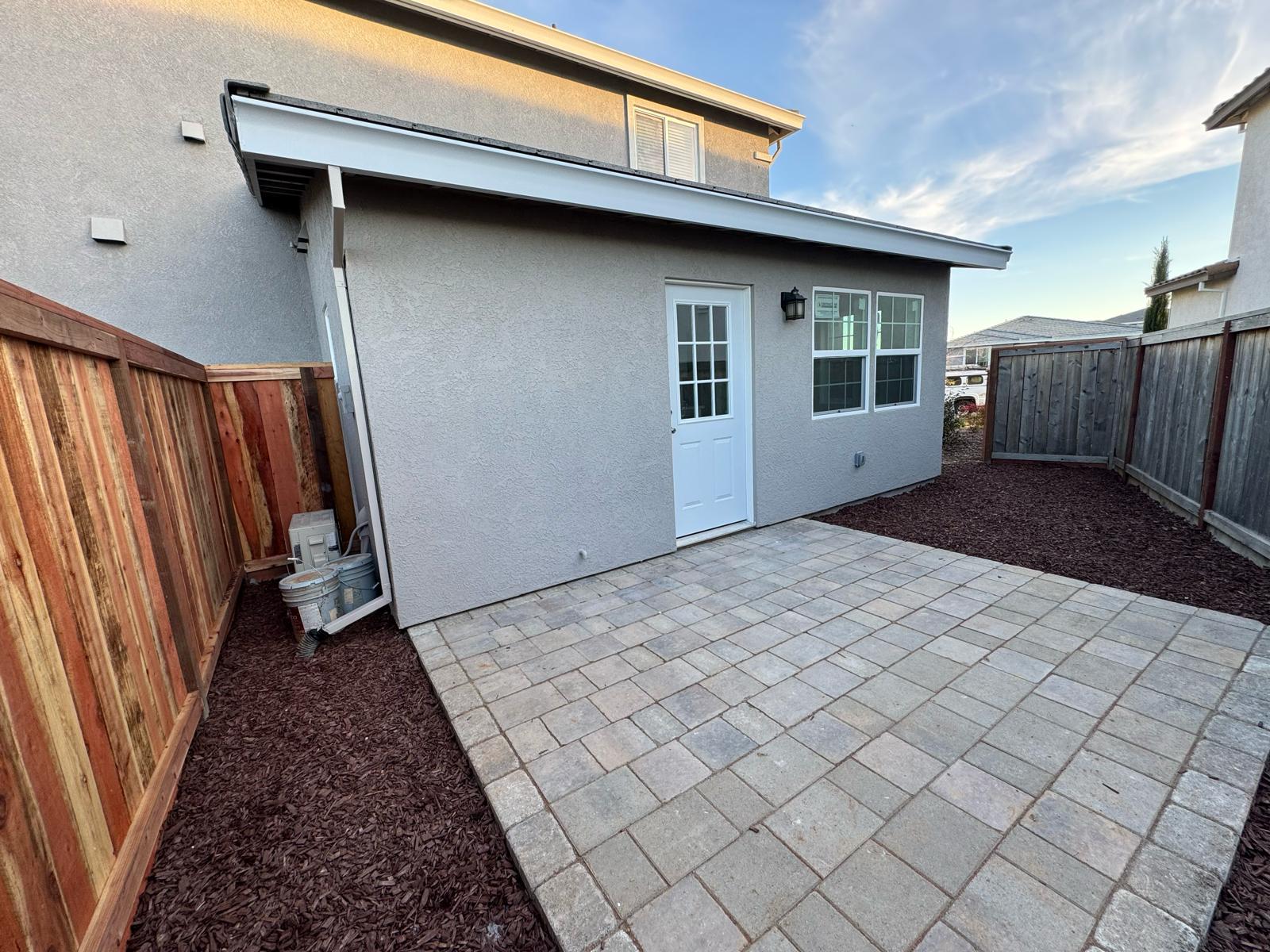
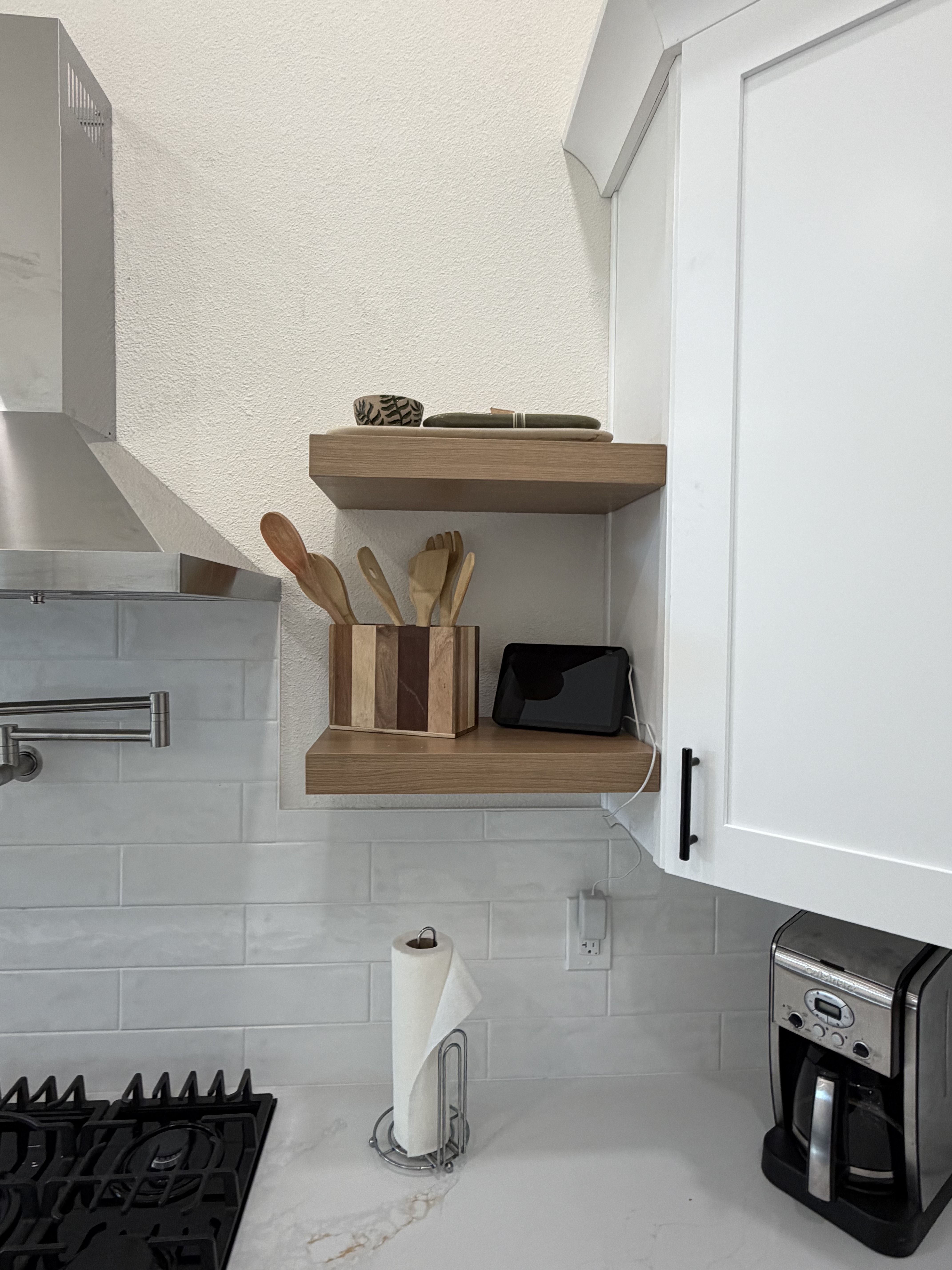
From my years working closely with homeowners just like you who have established properties, I can tell you that an Accessory Dwelling Unit (or ADU) is essentially a complete secondary home built right on your existing lot. You can think of it as a standalone or attached living space with its own kitchen, bathroom, bedroom, and entrance that are often called a granny flat, in-law suite, or backyard cottage.
In California, the Department of Housing and Community Development (HCD) has pushed ADUs as a smart way to add housing without sprawling into new land. As of 2025, state laws have made them even easier to build, especially in places like Sacramento County, where multigenerational living is on the rise. It's not about cramming everyone into one house; it's about giving aging parents or adult children their own private spot while keeping the family close. I've seen this change lives families avoiding expensive care facilities or far-away moves, all while boosting property value in neighborhoods from Folsom to Citrus Heights. Talk to an ADU Expert
Whether you're in a primary spot like Rancho Cordova or a secondary one like Rocklin, an ADU lets you make the most of what you already own. And tiny homes? They fit right in when designed as proper ADUs on your lot, with foundations and full utilities.

The Main Types of ADUs You Can Build in the Sacramento Region
There are some main types of ADUs, and not all of them are the same, and that's what makes them so flexible for different lots and needs around here.
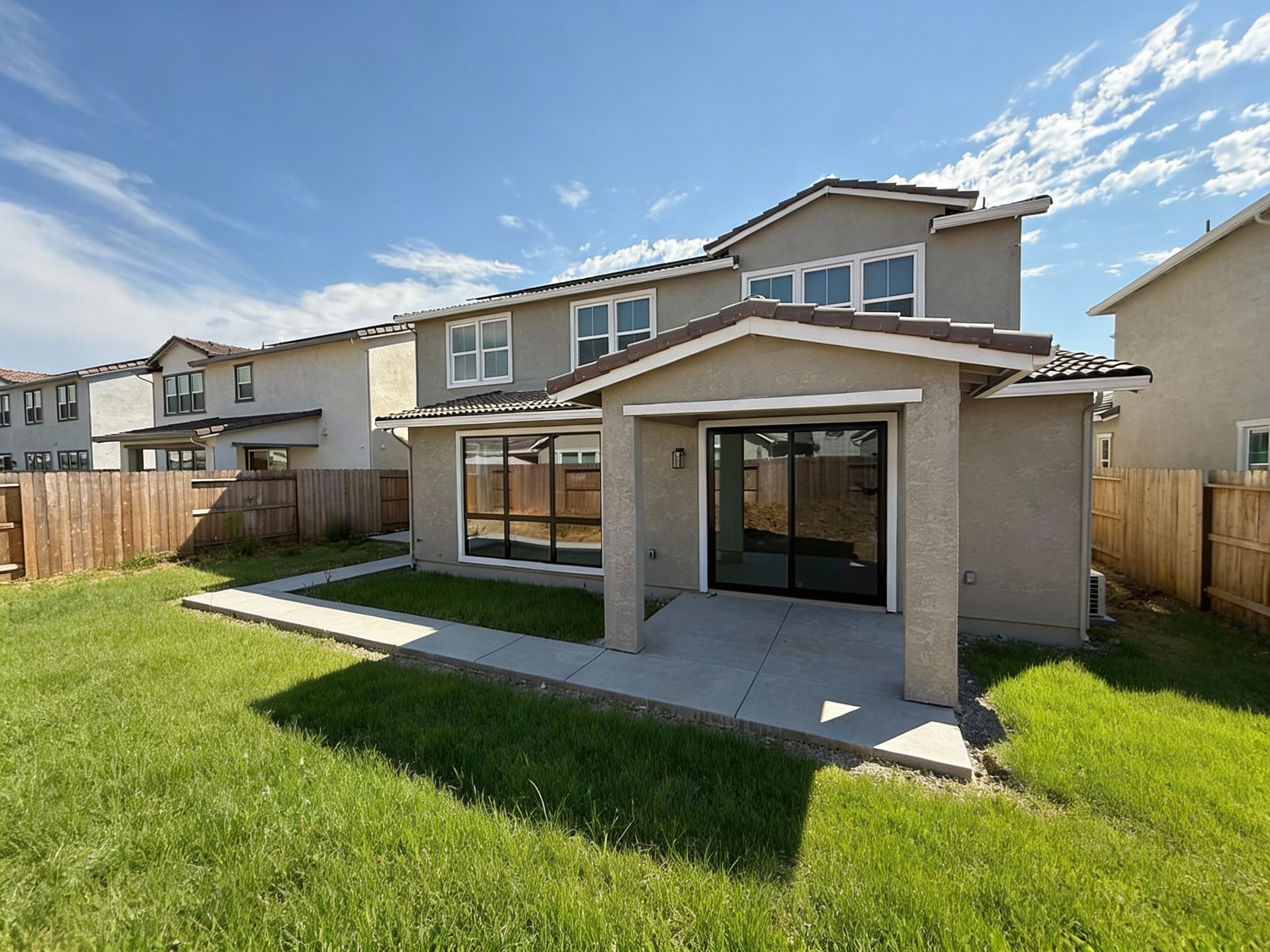
Detached ADUs: These are fully separate buildings, usually in the backyard. They're great for maximum privacy, like when you want aging parents to have their own quiet retreat. In 2025, detached ones can go up to 1,200 square feet in many zones, with heights around 16 to 18 feet, plenty for a comfortable one- or two-bedroom setup.
Attached ADUs: Connected directly to your main house, sharing a wall but with a private entrance. This type works well for closer connections, making check-ins easy without invading space. Get ADU Cost Estimate
Garage Conversion ADUs: My favorite quick-win option: Turn your existing garage into a full living unit. It's often the most affordable and fastest, keeping your yard intact while adding real value, super popular in areas like Natomas or Carmichael.
Tiny homes on your lot can qualify, too, as long as they're permanent and meet ADU standards. No matter the type, they're built for real living, not just storage.


If you're visualizing options, take a look at our variety ofADU models designed specifically for local properties. Talk to an ADU Expert
How ADUs Differ from JADUs: A Simple Breakdown
A lot of folks mix up ADUs with Junior ADUs (JADUs), but knowing the difference helps you pick what's right for your family.
I put together this table using the latest 2025 California rules to make it clear:
Aspect | Full ADU | JADU |
Size Limit | Up to 1,200 sq ft (detached) | Maximum 500 sq ft |
Where It's Built | Detached, attached, or garage conversion | Inside the existing main house |
Kitchen and Bath | Completely independent | Basic efficiency kitchen; can share bath |
Best Suited For | Privacy for parents or potential rentals | Smaller space for adult kids |
Approval Time | Often 60 days or less with pre-approved plans | Usually faster, as it's internal |
JADUs are compact and integrated, while full ADUs give more room and options, especially useful for long-term family plans in places like Fair Oaks or West Sacramento.
Real Benefits of ADUs for Multigenerational Families in Northern California
Here's where ADUs really shine, and why so many searches for "what is an ADU" come from families facing the same challenges you might be facing.
In my experience, about 61% of ADUs get built for multigenerational reasons like housing aging parents comfortably or giving adult children a boost without them moving far away. It's not just practical; it's emotional. Seniors get to "age in place" in familiar neighborhoods, staying independent yet supported. No more worrying about distant care homes that cost thousands monthly. Get ADU Cost Estimate
For adult kids, it's a stepping stone—a private space to save money or start families, all while grandparents help with childcare. Surveys show multigenerational setups are booming, with over 70% of families planning to keep it long-term.
Financially? Huge wins. Many add 10-20% to property value in the Sacramento area, and rental potential (when not needed for family) brings in $2,000+ monthly in spots like Elk Grove. It's a legacy investment that pays off in resale or income.


We've seen this firsthand in our completedprojects, where families share stories of stronger bonds and smarter finances. Talk to an ADU Expert
Navigating 2025 ADU Laws and Permitting in the Sacramento Radius
California's 2025 updates have removed big hurdles no more owner-occupancy requirements in most cases, faster approvals (60 days max), and fee reductions for smaller units. In Sacramento County, most single-family lots qualify easily, with pre-approved plans speeding things up even more. Request ADU Consultation
Common steps:
Check your property eligibility (online tools make this quick).
Submit plans use shelf-ready designs to cut costs and time.
Get approvals, often with reduced parking needs near transit.
Costs typically range $150,000 to $400,000 for value-driven builds, covering everything from permits (a few thousand) to construction. It's transparent when done right, avoiding those hidden delays families fear.
AtResult Construction, we handle the details for homeowners in primaries like Roseville or secondaries like Lincoln, focusing on clear timelines and competent guidance.
Are You Considering Including an ADU in Your House?
Now that you understand what an ADU is, you can see why properties throughout the 60-mile Sacramento area are being transformed. They are solutions for long-term peace of mind, financial stability, and family closeness, not just accessories.
We are available to talk without any pressure if this sounds like what your family needs, whether it's space for children in Antelope or ageing parents in Carmichael. Get in touch for a customised consultation. Request ADU Consultation
Frequently Asked Questions
1. What is an ADU in simple terms for California homeowners?
An ADU, or Accessory Dwelling Unit, is a fully independent secondary home on your existing property lot, complete with its own kitchen, bathroom, and entrance commonly used for multigenerational living, like housing aging parents or adult children in the Sacramento area.
2. How does an ADU differ from a JADU?
A standard ADU offers up to 1,200 square feet and can be detached, attached, or a garage conversion with full facilities, while a JADU is limited to 500 square feet inside the main house and typically has a basic efficiency kitchen.
3. Can I build an ADU on my property in the Sacramento radius for my family?
Yes, most single-family lots within the 60-mile radius qualify under 2025 laws, making ADUs a great choice for multigenerational housing providing private space for aging parents or adult children without leaving your neighborhood. Talk to an ADU Expert
4. Is a garage conversion considered a full ADU?
Absolutely, converting an existing garage into an independent living space with complete amenities counts as one of the most practical ADU types for homeowners in places like Elk Grove or Roseville.
5. What are the main benefits of adding an ADU for multigenerational families?
ADUs support aging in place for parents, offer independence for adult children, boost property value by 10-20%, and provide potential rental income, all while keeping families close in communities like Folsom or Carmichael. Talk to an ADU Expert
Ready to Start Your ADU Project?
Get a free consultation and personalized estimate.