How to Choose an ADU Contractor in Sacramento: A Homeowner's Checklist
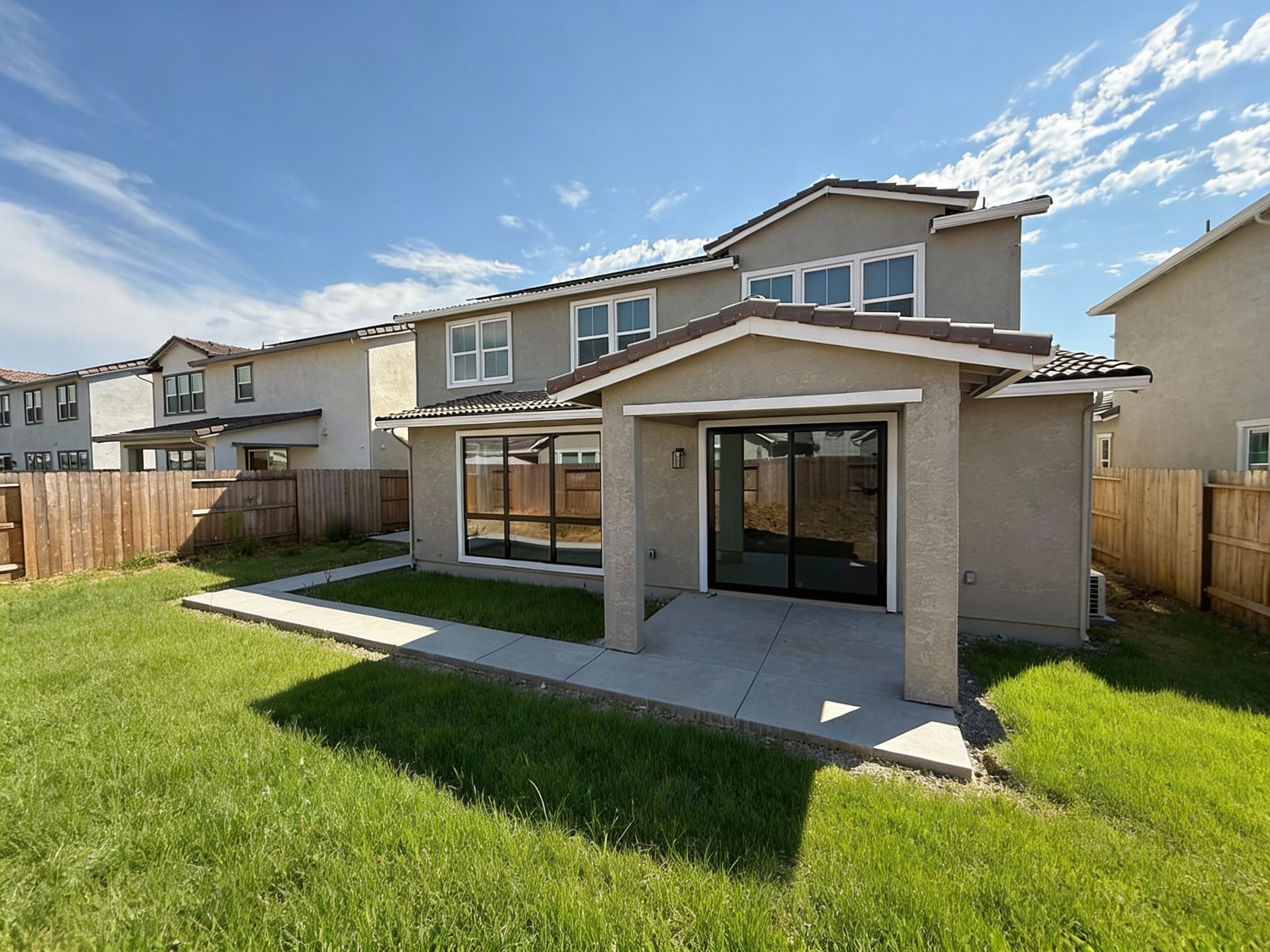
An ADU is usually the largest construction project a homeowner will ever sign. The contractor you pick decides whether the permit clears on the first submittal, whether the price holds, and who is responsible when something on the lot does not match the plans. California gives homeowners more protection here than most states do, but only if you know what to check. This is the list we would use if we were hiring a builder ourselves.
1. Check the license on CSLB, not on the website
In California, any job of $1,000 or more, and any job that needs a building permit, must be done by a contractor licensed by the Contractors State License Board (CSLB). Look the number up yourself at CSLB's license check and confirm:
- The license is active and the name matches the company on your contract.
- The classification fits the job. For a new ADU, look for a B (General Building) license. The B-2 Residential Remodeling class covers improvements to an existing wood-frame home but may not change load-bearing parts such as foundations, footings, bearing walls or roof structures, so it does not fit a new detached ADU.
- The bond is current. Every active license must carry a $25,000 contractor bond (the amount since January 1, 2023).
- Workers' compensation is on file, or the contractor has an exemption certificate because they have no employees. If a crew will be on your property, you want coverage, not an exemption.
- Complaint and disciplinary history. CSLB shows legal actions against the license on the same page.
California law also requires contractors to show their license number in their advertising, so a missing number on a website or truck is a signal on its own.
2. The down payment is capped by law
Under Business and Professions Code 7159.5, the down payment on a home improvement contract may not exceed 10% of the contract price or $1,000, whichever is less. CSLB states plainly that this covers the construction of an accessory dwelling unit, and warns homeowners to be careful about payments for "plans" or "permits" before work starts. A builder asking for a large deposit "to order materials" before work starts is asking for something the law does not allow on a home improvement contract. After the down payment, payments should follow a schedule tied to completed work, and you should never be more than a payment ahead of the progress you can see.
3. What the contract must say
California's home improvement contract law (B&P 7159) lists what the contract must contain. The items to look for:
- The contractor's name, business address and license number.
- An approximate start date and approximate completion date.
- A schedule of progress payments in dollars and cents, tied to the work.
- The Mechanics Lien Warning and the workers' compensation notice.
- A notice of your right to cancel: three business days, or five business days if you are 65 or older.
Beyond the legal minimum, a good ADU contract also spells out who prepares and submits the plans, which City or utility fees are included and which are yours, what happens if plan check asks for changes, and how change orders are priced and approved in writing.
4. Protect yourself from liens
Anyone who supplies labor or materials to your project and is not paid can record a mechanics lien on your property, even if you paid the general contractor in full. Subcontractors and suppliers usually send a Preliminary Notice early in the job, which tells you who is owed money. Two habits protect you: get a conditional lien release from the contractor (and from any supplier who sent a notice) before each payment, and an unconditional release after it clears. The release forms are set by California Civil Code 8132 to 8138, and CSLB publishes them.
5. Questions to ask before you sign
- Who draws the plans and who submits them? In the City of Sacramento the permit goes through the ADU Resource Center; ask who handles corrections and how long their last few approvals took.
- Is the price fixed, and what is excluded? Site work, utility trenching, the electrical panel and fees are where estimates differ most.
- What is the schedule from permit to final? Ask for it in writing, with the start and completion dates the contract requires.
- Who is on site every day? Your own crew or subcontractors, and who supervises them.
- Can I see a finished ADU and speak with the owner? Photos are easy to borrow; a completed project in your area is not.
- What warranty do you give, and in writing?
6. Red flags
- No license number, or a number that belongs to a different company name.
- A deposit above the legal limit, or pressure to pay in cash.
- A suggestion that you pull the permit as an owner-builder "to save time". As an owner-builder you take full responsibility for every phase of the project, and you can be treated as an employer of the workers on site, including for payroll taxes, workers' compensation and injuries.
- A price given without seeing the lot.
- A contract without a payment schedule, a cancellation notice or start and completion dates.
Comparing quotes
Put the bids side by side on the same scope: plans and engineering, permits and fees, site work and utilities, the structure itself, finishes, and the electrical service. The lowest number is often the one that left the most out. If two quotes are far apart, ask each contractor to explain the gap line by line.
FAQ
What license does a contractor need to build an ADU in California?
A new ADU involves several building trades, which is what the B General Building license covers. Check the classification on CSLB's license lookup before you sign.
How much deposit can an ADU contractor ask for?
No more than 10% of the contract price or $1,000, whichever is less. Larger payments should follow completed work on the progress schedule.
Can I cancel an ADU contract after signing?
Yes, within three business days of signing, or five business days if you are 65 or older. The contract must include the cancellation notice.
Can an unlicensed handyman build part of my ADU?
Only work under $1,000 that needs no permit can be done without a license, and the unlicensed person cannot employ anyone. ADU work needs a permit, so it needs a licensed contractor.
Sources: California Contractors State License Board (license check, B and B-2 classification scopes, bond requirements, workers' compensation, Contracting for Success, Home Improvement Contracts consumer guide, What Seniors Should Know, mechanics lien release forms, owner-builder risks, AB 2622 industry bulletin, ADU payments notice 2024); Business and Professions Code 7030.5, 7048, 7057, 7057.5, 7159, 7159.5; Civil Code 8132-8138; City of Sacramento ADU Resource Center. Checked October 2026.
Planning an ADU in Sacramento?
Want to check us against this list?
Send us your address and what you want to build. You'll get a written estimate with our license number, payment schedule and timeline in it.